Drive slowly past your house someday and look at it the way a guest does: from the street, at walking pace, in whatever light the season gives you. Curb appeal lives in that first, slow impression - and the remarkable thing is how much of it comes from decisions, not dollars. A home whose exterior feels intentional is usually not the most expensive house on the street; it is the most considered one.
The mistake most homeowners make is treating curb appeal as a shopping list - a new door here, some flowers there - instead of a system. A system has layers: the backdrop of roof and paint, the middle layer of paths and planting, and the detail layer of numbers, lighting, and hardware. Work in that order and every dollar reinforces the last; skip around and even good purchases can fight each other.
The entry sequence: your home's handshake
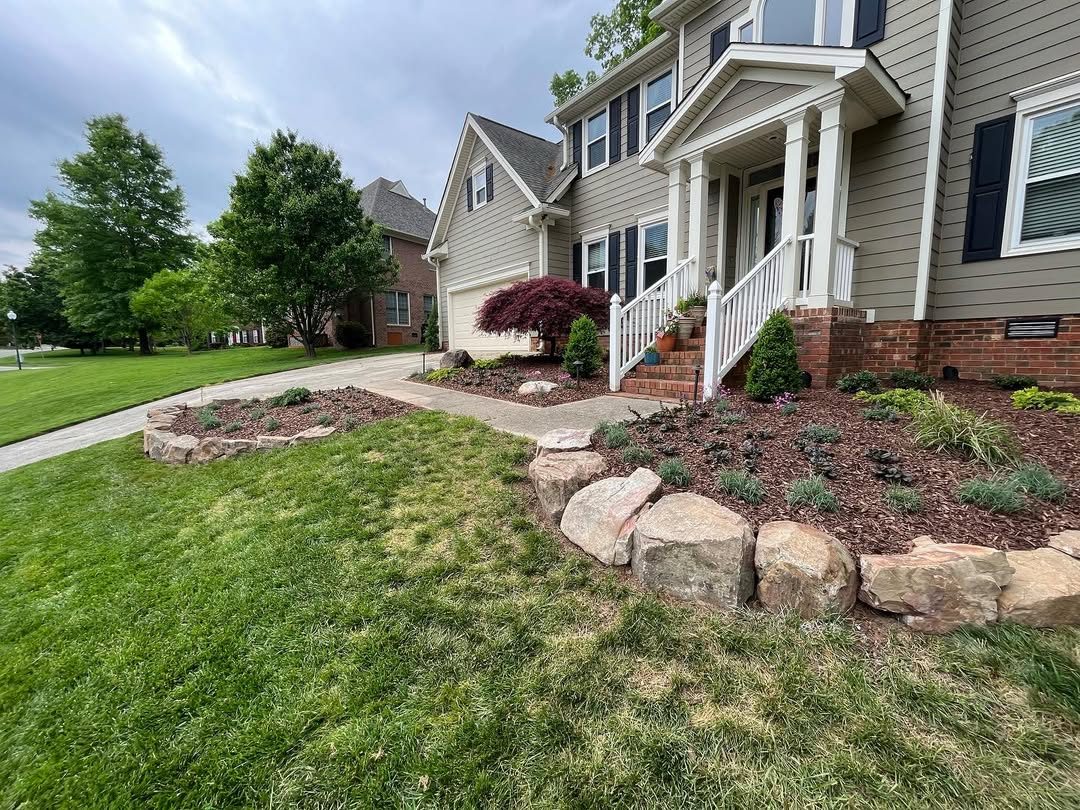
Walk from the curb to your door and notice everything you touch with your eyes: the path, the pause at the steps, the porch, the door itself. That sequence is your home's handshake. A clean, continuous path with a slight curve feels inviting; a cracked, straight sprint feels like an afterthought. Edging the walk, clearing sightlines, and adding a pair of matching planters at the pause point transforms the approach for very little cost.
The door deserves the boldest move you can commit to, because it is small enough to be brave about. A deep, saturated color, a quality handle at a comfortable height, and a fresh house number beside it - these three details read as confidence. Add a sheltered light above and the entry works after dark, when first impressions often happen.
Planting that behaves
Gardens fail when they are chosen in a nursery aisle instead of planned for a site. Before buying a single plant, map your sun: which beds bake by afternoon, which stay shaded, where water pools. Then choose plants for the mature size written on the tag, not the size in the pot. A shrub that grows into a walkway is not a plant problem; it is a planning problem wearing a plant costume.
For lasting curb appeal, build the backbone with structure first - hedges, small trees, and shrubs that hold their shape through the seasons - and use perennials for seasonal color the way you would use cushions indoors. Mulch generously: it is the cheapest upgrade in landscaping, tidying beds, holding moisture, and quietly telling every visitor that someone cares.
Curb appeal is not about impressing the street. It is about your house saying hello before you do.
Hardscape, lighting, and the long view
Where the budget allows, invest in the hardscape - the surfaces that get walked on every day. A level, well-drained path, a comfortable step height, and a landing at the door are safety features disguised as beauty. Pair them with warm, low path lighting and the exterior keeps working after sunset, guiding guests and flattering planting with gentle pools of light instead of glare.
Do not forget the roofline in your long view. Gutters, fascia, and roof condition frame everything below them, and no amount of planting can distract from a tired roof. If a roof replacement is in your future, consider pairing it with a solar upgrade: doing both together means one scaffold, one weather window, and mounting hardware installed into a brand-new roof.
Sequencing the work - and knowing when to hand it over
A sensible order for exterior projects is: protect first (roof, drainage, structure), then define (paths, edges, beds), then soften (planting, mulch), then delight (lighting, numbers, hardware). Each layer makes the next one cheaper to maintain and nicer to look at, and the whole composition stays coherent because it was built in the right order.
And when the list feels bigger than a weekend, that is exactly what our exterior and garden team is for. We survey sun, soil, and drainage, propose a phased plan you can complete all at once or season by season, and build it with the same tidy, warranty-backed care we bring indoors. The street will notice. More importantly, so will you - every single time you come home.